Which Drugs Act as Stimulants?

Anything You're Wondering About?
Which Drugs Act as Stimulants? Street, Prescription, and OTC Examples
Stimulant drugs include substances like cocaine, methamphetamine, prescription ADHD medications, and caffeine. They increase alertness, energy, and activity in the central nervous system.
Stimulant drug abuse has a number of effects on the mind and body, including heart effects, overdose risk, and increased risk of addiction.
As a Princeton-based treatment provider offering detox and outpatient care for teens and adults, The Living Room helps people slow down, restore balance, and build awareness around substance use and mental health.
This page explains what stimulant drugs are, how they affect you, and what recovery from stimulant addiction can look like.
What Are Stimulant Drugs?
Stimulant drugs are substances that increase activity in the brain and central nervous system. They can raise energy levels, improve focus for short periods, and create feelings of alertness or confidence.
While some stimulants are prescribed for medical reasons, others are illegal or misused. Over time, stimulant use can strain the body, disrupt mental health, and lead to addiction.
Common Types of Stimulant Drugs
People may abuse stimulants sold illegally, as well as those prescribed by doctors or sold over the counter (OTC) at pharmacies.
The following are some of the most common types of stimulants seen in drug abuse.
Street Stimulant Drugs
These substances are illegal and carry a high risk of addiction and mental health effects:
- Cocaine: Produces intense energy and confidence followed by a sharp crash
- Methamphetamine (meth): Extremely powerful stimulant linked to long-term brain change
- Crack cocaine: A fast-acting, highly addictive form of cocaine
- Synthetic stimulants (bath salts): Unpredictable effects that can cause severe agitation or psychosis
Prescription Stimulants
These medications are sometimes used as prescribed but can be misused:
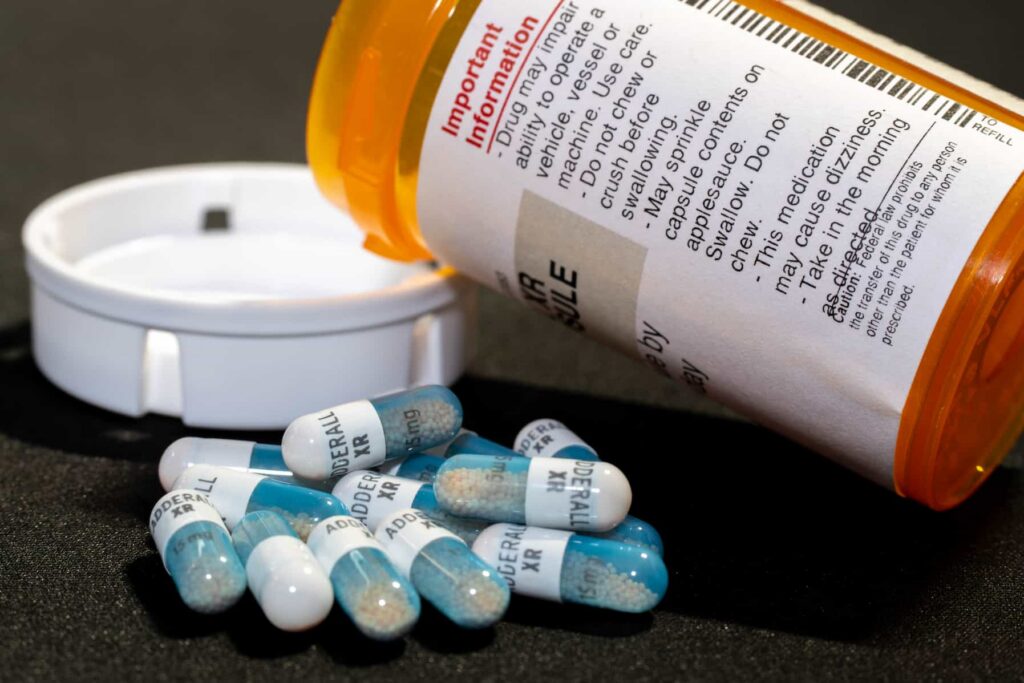
- Adderall: most commonly used to treat ADHD by improving focus, attention, and impulse control; it’s sometimes also prescribed for narcolepsy.
- Ritalin: used to manage ADHD symptoms, especially difficulties with attention, hyperactivity, and impulsivity, by increasing activity in certain parts of the brain.
- Vyvanse: long-acting prescription stimulant used to treat ADHD and binge eating disorder, designed to provide steadier symptom control throughout the day.
When taken outside medical guidance, prescription stimulants can be just as addictive as street drugs.
Over-the-Counter (OTC) Stimulants
Some legal products which can be bought over the counter at a drugstore can still act as stimulants when misused.
OTC stimulants include;
- High-dose caffeine pills
- Energy drinks taken in excess
- Certain diet pills or decongestants
Are Opioids Stimulants?
No. Opioids are not stimulants.
Opioids are depressants, meaning they slow down brain activity and breathing. Stimulants do the opposite; they speed things up.
However, mixing stimulants and opioids is common and dangerous. Some people use stimulants to counter opioid sedation, which increases the risk of overdose and mental health instability.
How Do Stimulant Drugs Affect You?
Stimulants change how the brain communicates, especially in areas tied to reward and motivation. Short-term effects of stimulant misuse may include:
- Increased energy and alertness
- Faster heart rate and breathing
- Reduced appetite
- Restlessness or anxiety
With repeated use, stimulant drugs can lead to:
- Sleep problems and exhaustion
- Mood swings and irritability
- Panic or paranoia
- Difficulty feeling pleasure without the drug
Over time, the body begins to rely on the stimulant just to feel “normal.”
Stimulants vs. Depressants: What’s the Difference?
Both types of drugs can be addictive, especially when used to cope with stress or emotional pain.
Here’s an overview of the core differences between stimulants and depressants:
|
Stimulants |
Depressants |
|
|
|
|
|
|
|
|
How Stimulant Drug Use Affects Mental Health
Stimulant use often worsens existing mental health challenges or creates new ones. Common effects include:
- Anxiety and panic from overstimulation
- Depression during stimulant crashes
- Irritability and anger
- Paranoia or hallucinations with heavy or long-term use
For teens and young adults, stimulant misuse can interfere with emotional development and self-awareness.
Treatment for Stimulant Drug Addiction
Recovery from stimulant addiction focuses on stabilizing the body, calming the mind, and rebuilding daily balance.
At The Living Room, treatment options for stimulant drug abuse may include:
- Detox support, when needed, to safely manage early withdrawal symptoms
- Partial Hospitalization (PHP) for structured daily care without overnight stays
- Intensive Outpatient Programs (IOP) that allow continued school or work involvement
- Therapy focused on awareness, emotional regulation, and coping skills
Treatment emphasizes presence, routine, and learning how to respond to stress without substances.
What Recovery From Stimulant Use Looks Like
Recovery from stimulant misuse involves learning how to live at a healthier pace. Many people in drug abuse recovery work on:
- Improving sleep and nutrition
- Managing cravings and restlessness
- Rebuilding focus and emotional balance
- Strengthening relationships and daily routines
With consistent support, people can regain clarity, stability, and a stronger connection to their well-being.
When to Get Help for Stimulant Misuse
If stimulant use is affecting your health, mood, school, work, or relationships, it may be time to reach out. Help is especially important if:
- You feel unable to stop using on your own
- Crashes or anxiety are getting worse
- Mental health symptoms feel overwhelming
Early support can prevent long-term harm and make recovery more manageable.
A Calm Path Through Substance Use Recovery
Understanding stimulant drugs is a powerful first step. If you or someone you care about is struggling, support is available.
Programs at The Living Room help individuals slow down, build awareness, and move toward recovery with compassion and structure.
Start a conversation with us today. We’ll listen to your story, offer insight, and help you decide if moving forward with treatment is the right step.
Sources:
- Stimulant Drugs — National Institute on Drug Abuse
- Prescription Stimulants DrugFacts — National Institute on Drug Abuse
- Stimulants — MedlinePlus
Got something on your mind? Send it our way!
 Welcome to The Living Room at Princeton
Let’s Start Your Journey Today

 Welcome to The Living Room at Princeton
PROGRAMS FOR LASTING RECOVERY
Bridging Treatment and Coverage: Navigate Insurance with Ease
At The Living Room, we recognize that the path to recovery is both a personal and financial journey. We’re deeply committed to guiding you through the process of securing the right coverage for your treatment needs. Our goal is to ensure that financial considerations don’t stand in the way of your well-being. Let us assist you with information, clarity and trusted referrals to make your insurance journey as seamless as your road to recovery.