
If you are looking for mental health please click here

If you are looking for The Living Room at Princeton’s Mental Health program, please click here.

Fentanyl vs Dilaudid: Understanding the Differences

Medically Verified: August 10, 2024
Medically Reviewed
All of the information on this page has been reviewed and verified by a certified addiction professional.

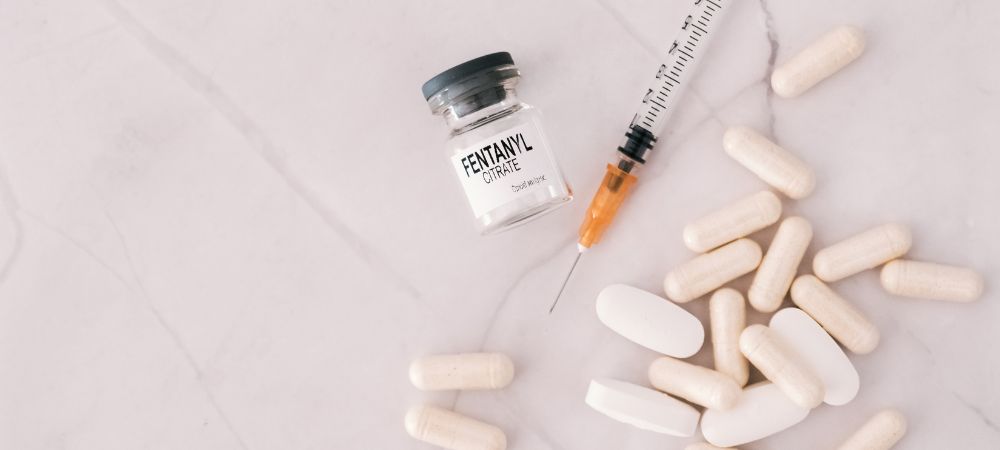
Fentanyl and Dilaudid (hydromorphone) are both powerful prescription opioids used to treat severe pain, but they differ in strength, medical use, and overdose risk. Both medications can also lead to physical dependence and opioid use disorder when misused. 

What Is the Difference Between Fentanyl and Dilaudid?

Fentanyl is a synthetic opioid, while Dilaudid is the brand name for hydromorphone, a semi-synthetic opioid. Both can provide powerful pain relief, but fentanyl is significantly more potent than hydromorphone. 

Doctors may prescribe these medications when someone is experiencing severe pain. Fentanyl may also be used during surgery, while Dilaudid can be prescribed when other approaches to pain relief aren’t enough. 

Although both medications can be helpful when used as prescribed, they also carry risks. Taking either one differently than directed can lead to dependence, addiction, or overdose. 

Fentanyl vs. Dilaudid: Potency, Uses, and Other Differences

Fentanyl and Dilaudid are both strong opioids, but there are some important differences to understand. 

DifferenceFentanylDilaudid (hydromorphone)
Type Synthetic opioid Semi-synthetic opioid
StrengthMore potent than DilaudidVery potent, but less potent than fentanyl 
Medical use Severe pain and during surgerySevere pain
Forms Patches, lozenges, injections, and other formsTablets and injections 
Main concernsHigh overdose risk, exposure to illicit fentanylDependence, misuse, and overdose 

People can respond differently to these medications. The dose, how the medication is taken, a person’s tolerance, and other substances can all affect the risk.

Which Is Stronger: Fentanyl or Dilaudid?

Fentanyl is much stronger than Dilaudid. Regardless, these medications should only be taken as prescribed, and people should never try to compare or adjust opioid doses on their own. 

Is Fentanyl More Dangerous Than Dilaudid?

Fentanyl’s high potency makes even a small amount capable of causing a serious overdose. This is especially concerning when it comes to illicitly manufactured fentanyl, which may be mixed into other drugs or pressed into counterfeit pills without someone knowing. 

Dilaudid can also be dangerous when it’s misused. Like fentanyl, it can slow breathing and lead to dependence, addiction, or overdose. 

Prescription Fentanyl vs. Illicit Fentanyl

There’s an important difference between fentanyl prescribed by a medical professional and fentanyl made and sold illegally. 

Prescription fentanyl is produced and provided for medical use. Illicitly manufactured fentanyl is made outside the regulated medical system, and a person may not know that fentanyl is present or how much it contains.

This means that taking fentanyl as part of appropriate medical care isn’t the same as using it illicitly. At the same time, taking prescription fentanyl or Dilaudid in a way that wasn’t prescribed can increase the risk of harm. 

Can Fentanyl and Dilaudid Cause Addiction?

Yes. Both fentanyl and Dilaudid can lead to dependence and addiction, even though they may be prescribed for legitimate reasons. 

Dependence means your body has gotten used to a medication and may react when you stop taking it. Addiction involves continued substance use even when it causes problems with your health, relationships, work, or daily life.

Risk Factors for Opioid Misuse

Opioid misuse can happen for several reasons, but the risk may be higher when someone: 

  • Takes more medication or takes it more often than prescribed
  • Uses someone else’s prescription
  • Continues using opioids after they are no longer medically needed
  • Combines opioids with alcohol or other substances that cause sedation 
  • Has struggled with substance use in the past
  • Turns to opioids to cope with stress or emotional pain 

What Are the Signs of Fentanyl or Dilaudid Misuse?

Sometimes the signs of opioid misuse are subtle. Changes in someone’s health, behavior, relationships, or daily routine may indicate that something is wrong. 

Physical Signs of Opioid Misuse

Possible signs include:

  • Needing more of the medication to get the same effect 
  • Unusual sleepiness or difficulty staying awake
  • Pinpoint pupils
  • Nausea or constipation
  • Feeling sick or experiencing withdrawal when the medication isn’t available
  • Slow or shallow breathing

Behavioral and Emotional Changes

You might also notice someone:

  • Taking medication sooner or more often than prescribed 
  • Spending a lot of time trying to obtain opioids
  • Missing work, school, or other responsibilities 
  • Pulling away from friends or family 
  • Showing noticeable changes in mood or behavior
  • Continuing to use opioids even after problems begin to develop

These signs don’t necessarily mean someone has an addiction. They may simply be a sign that something has changed and that it could help to talk with someone.

When Should Someone Seek Help for Fentanyl or Dilaudid Misuse?

It may be time to seek support when opioid use starts getting in the way of everyday life. Problems with health, relationships, work, school, finances, or responsibilities can all be signs that it’s time to take a closer look. 

You don’t have to wait for an overdose or another crisis to ask for help. If someone has become physically dependent on opioids, stopping suddenly can also bring on withdrawal. A professional assessment can help determine what kind of support makes sense. 

Treatment for Fentanyl and Dilaudid Addiction

Care does not look the same for everyone. The right level of treatment depends on your substance use, health, support system, and what will help you feel safe and steady as you move forward.

The Living Room offers outpatient drug and alcohol rehab in NJ, creating a supportive place to work through substance use while staying connected to everyday life. 

Medically Supervised Detox

Sometimes the first step is medical detox. When that level of support is needed, The Living Room can arrange medical detox through a trusted partner program and help coordinate the transition into ongoing care. 

Partial Hospitalization Program (PHP)

PHP provides a high level of structure while allowing you to return home or to supportive housing each day. It can offer a steady routine for people who need more support than standard outpatient care.

Intensive Outpatient Program (IOP)

An IOP provides structured support while leaving room for work, school, family, and everyday responsibilities. At The Living Room, IOP gives people a steady place to heal while remaining connected to their lives. 

Outpatient Care

Outpatient treatment provides ongoing therapy, accountability, and support with a more flexible schedule. The Living Room’s outpatient services can help people continue building stability, strengthening coping skills, and staying connected to their recovery. 

Find Compassionate Opioid Addiction Treatment at The Living Room

Understanding the differences between fentanyl and Dilaudid can help you recognize the risks and know when it may be time to ask for support. If opioid use has started to feel difficult to control, asking for help can be a meaningful first step. 

At The Living Room at Princeton, we approach treatment with compassion, connection, and respect for each person’s experience. Contact our team to help you understand your options and take the next step toward lasting change. 

Sources

  1. Fentanyl — Centers for Disease Control and Prevention (CDC)
  2. DILAUDID® (hydromorphone hydrochloride) oral solution — Food and Drug Administration (FDA) 
  3. Opioids — National Institute on Drug Abuse (NIDA)

The Living Room at Princeton is committed to delivering reliable and up-to-date information on addiction and behavioral health. Our licensed medical reviewers, who specialize in mental health and addiction treatment, work to empower readers and potential clients with the knowledge they need to make confident treatment decisions. We ensure our content meets the highest standards of accuracy by using only reputable and credible sources.

Fentanyl vs Dilaudid: Understanding the Differences

Fentanyl and Dilaudid (hydromorphone) are both powerful prescription opioids used to treat severe pain, but they differ in strength, medical use, and overdose risk. Both medications can also lead to physical dependence and opioid use disorder when misused. 

What Is the Difference Between Fentanyl and Dilaudid?

Fentanyl is a synthetic opioid, while Dilaudid is the brand name for hydromorphone, a semi-synthetic opioid. Both can provide powerful pain relief, but fentanyl is significantly more potent than hydromorphone. 

Doctors may prescribe these medications when someone is experiencing severe pain. Fentanyl may also be used during surgery, while Dilaudid can be prescribed when other approaches to pain relief aren’t enough. 

Although both medications can be helpful when used as prescribed, they also carry risks. Taking either one differently than directed can lead to dependence, addiction, or overdose. 

Fentanyl vs. Dilaudid: Potency, Uses, and Other Differences

Fentanyl and Dilaudid are both strong opioids, but there are some important differences to understand. 

Difference Fentanyl Dilaudid (hydromorphone)
Type  Synthetic opioid  Semi-synthetic opioid
Strength More potent than Dilaudid Very potent, but less potent than fentanyl 
Medical use  Severe pain and during surgery Severe pain
Forms  Patches, lozenges, injections, and other forms Tablets and injections 
Main concerns High overdose risk, exposure to illicit fentanyl Dependence, misuse, and overdose 

People can respond differently to these medications. The dose, how the medication is taken, a person’s tolerance, and other substances can all affect the risk.

Which Is Stronger: Fentanyl or Dilaudid?

Fentanyl is much stronger than Dilaudid. Regardless, these medications should only be taken as prescribed, and people should never try to compare or adjust opioid doses on their own. 

Is Fentanyl More Dangerous Than Dilaudid?

Fentanyl’s high potency makes even a small amount capable of causing a serious overdose. This is especially concerning when it comes to illicitly manufactured fentanyl, which may be mixed into other drugs or pressed into counterfeit pills without someone knowing. 

Dilaudid can also be dangerous when it’s misused. Like fentanyl, it can slow breathing and lead to dependence, addiction, or overdose. 

Prescription Fentanyl vs. Illicit Fentanyl

There’s an important difference between fentanyl prescribed by a medical professional and fentanyl made and sold illegally. 

Prescription fentanyl is produced and provided for medical use. Illicitly manufactured fentanyl is made outside the regulated medical system, and a person may not know that fentanyl is present or how much it contains.

This means that taking fentanyl as part of appropriate medical care isn’t the same as using it illicitly. At the same time, taking prescription fentanyl or Dilaudid in a way that wasn’t prescribed can increase the risk of harm. 

Can Fentanyl and Dilaudid Cause Addiction?

Yes. Both fentanyl and Dilaudid can lead to dependence and addiction, even though they may be prescribed for legitimate reasons. 

Dependence means your body has gotten used to a medication and may react when you stop taking it. Addiction involves continued substance use even when it causes problems with your health, relationships, work, or daily life.

Risk Factors for Opioid Misuse

Opioid misuse can happen for several reasons, but the risk may be higher when someone: 

  • Takes more medication or takes it more often than prescribed
  • Uses someone else’s prescription
  • Continues using opioids after they are no longer medically needed
  • Combines opioids with alcohol or other substances that cause sedation 
  • Has struggled with substance use in the past
  • Turns to opioids to cope with stress or emotional pain 

What Are the Signs of Fentanyl or Dilaudid Misuse?

Sometimes the signs of opioid misuse are subtle. Changes in someone’s health, behavior, relationships, or daily routine may indicate that something is wrong. 

Physical Signs of Opioid Misuse

Possible signs include:

  • Needing more of the medication to get the same effect 
  • Unusual sleepiness or difficulty staying awake
  • Pinpoint pupils
  • Nausea or constipation
  • Feeling sick or experiencing withdrawal when the medication isn’t available
  • Slow or shallow breathing

Behavioral and Emotional Changes

You might also notice someone:

  • Taking medication sooner or more often than prescribed 
  • Spending a lot of time trying to obtain opioids
  • Missing work, school, or other responsibilities 
  • Pulling away from friends or family 
  • Showing noticeable changes in mood or behavior
  • Continuing to use opioids even after problems begin to develop

These signs don’t necessarily mean someone has an addiction. They may simply be a sign that something has changed and that it could help to talk with someone.

When Should Someone Seek Help for Fentanyl or Dilaudid Misuse?

It may be time to seek support when opioid use starts getting in the way of everyday life. Problems with health, relationships, work, school, finances, or responsibilities can all be signs that it’s time to take a closer look. 

You don’t have to wait for an overdose or another crisis to ask for help. If someone has become physically dependent on opioids, stopping suddenly can also bring on withdrawal. A professional assessment can help determine what kind of support makes sense. 

Treatment for Fentanyl and Dilaudid Addiction

Care does not look the same for everyone. The right level of treatment depends on your substance use, health, support system, and what will help you feel safe and steady as you move forward.

The Living Room offers outpatient drug and alcohol rehab in NJ, creating a supportive place to work through substance use while staying connected to everyday life. 

Medically Supervised Detox

Sometimes the first step is medical detox. When that level of support is needed, The Living Room can arrange medical detox through a trusted partner program and help coordinate the transition into ongoing care. 

Partial Hospitalization Program (PHP)

PHP provides a high level of structure while allowing you to return home or to supportive housing each day. It can offer a steady routine for people who need more support than standard outpatient care.

Intensive Outpatient Program (IOP)

An IOP provides structured support while leaving room for work, school, family, and everyday responsibilities. At The Living Room, IOP gives people a steady place to heal while remaining connected to their lives. 

Outpatient Care

Outpatient treatment provides ongoing therapy, accountability, and support with a more flexible schedule. The Living Room’s outpatient services can help people continue building stability, strengthening coping skills, and staying connected to their recovery. 

Find Compassionate Opioid Addiction Treatment at The Living Room

Understanding the differences between fentanyl and Dilaudid can help you recognize the risks and know when it may be time to ask for support. If opioid use has started to feel difficult to control, asking for help can be a meaningful first step. 

At The Living Room at Princeton, we approach treatment with compassion, connection, and respect for each person’s experience. Contact our team to help you understand your options and take the next step toward lasting change. 

Sources

  1. Fentanyl — Centers for Disease Control and Prevention (CDC)
  2. DILAUDID® (hydromorphone hydrochloride) oral solution — Food and Drug Administration (FDA) 
  3. Opioids — National Institute on Drug Abuse (NIDA)

Fentanyl vs Dilaudid: Understanding the Differences

Fentanyl and Dilaudid (hydromorphone) are both powerful prescription opioids used to treat severe pain, but they differ in strength, medical use, and overdose risk. Both medications can also lead to physical dependence and opioid use disorder when misused. 

What Is the Difference Between Fentanyl and Dilaudid?

Fentanyl is a synthetic opioid, while Dilaudid is the brand name for hydromorphone, a semi-synthetic opioid. Both can provide powerful pain relief, but fentanyl is significantly more potent than hydromorphone. 

Doctors may prescribe these medications when someone is experiencing severe pain. Fentanyl may also be used during surgery, while Dilaudid can be prescribed when other approaches to pain relief aren’t enough. 

Although both medications can be helpful when used as prescribed, they also carry risks. Taking either one differently than directed can lead to dependence, addiction, or overdose. 

Fentanyl vs. Dilaudid: Potency, Uses, and Other Differences

Fentanyl and Dilaudid are both strong opioids, but there are some important differences to understand. 

Difference Fentanyl Dilaudid (hydromorphone)
Type  Synthetic opioid  Semi-synthetic opioid
Strength More potent than Dilaudid Very potent, but less potent than fentanyl 
Medical use  Severe pain and during surgery Severe pain
Forms  Patches, lozenges, injections, and other forms Tablets and injections 
Main concerns High overdose risk, exposure to illicit fentanyl Dependence, misuse, and overdose 

People can respond differently to these medications. The dose, how the medication is taken, a person’s tolerance, and other substances can all affect the risk.

Which Is Stronger: Fentanyl or Dilaudid?

Fentanyl is much stronger than Dilaudid. Regardless, these medications should only be taken as prescribed, and people should never try to compare or adjust opioid doses on their own. 

Is Fentanyl More Dangerous Than Dilaudid?

Fentanyl’s high potency makes even a small amount capable of causing a serious overdose. This is especially concerning when it comes to illicitly manufactured fentanyl, which may be mixed into other drugs or pressed into counterfeit pills without someone knowing. 

Dilaudid can also be dangerous when it’s misused. Like fentanyl, it can slow breathing and lead to dependence, addiction, or overdose. 

Prescription Fentanyl vs. Illicit Fentanyl

There’s an important difference between fentanyl prescribed by a medical professional and fentanyl made and sold illegally. 

Prescription fentanyl is produced and provided for medical use. Illicitly manufactured fentanyl is made outside the regulated medical system, and a person may not know that fentanyl is present or how much it contains.

This means that taking fentanyl as part of appropriate medical care isn’t the same as using it illicitly. At the same time, taking prescription fentanyl or Dilaudid in a way that wasn’t prescribed can increase the risk of harm. 

Can Fentanyl and Dilaudid Cause Addiction?

Yes. Both fentanyl and Dilaudid can lead to dependence and addiction, even though they may be prescribed for legitimate reasons. 

Dependence means your body has gotten used to a medication and may react when you stop taking it. Addiction involves continued substance use even when it causes problems with your health, relationships, work, or daily life.

Risk Factors for Opioid Misuse

Opioid misuse can happen for several reasons, but the risk may be higher when someone: 

  • Takes more medication or takes it more often than prescribed
  • Uses someone else’s prescription
  • Continues using opioids after they are no longer medically needed
  • Combines opioids with alcohol or other substances that cause sedation 
  • Has struggled with substance use in the past
  • Turns to opioids to cope with stress or emotional pain 

What Are the Signs of Fentanyl or Dilaudid Misuse?

Sometimes the signs of opioid misuse are subtle. Changes in someone’s health, behavior, relationships, or daily routine may indicate that something is wrong. 

Physical Signs of Opioid Misuse

Possible signs include:

  • Needing more of the medication to get the same effect 
  • Unusual sleepiness or difficulty staying awake
  • Pinpoint pupils
  • Nausea or constipation
  • Feeling sick or experiencing withdrawal when the medication isn’t available
  • Slow or shallow breathing

Behavioral and Emotional Changes

You might also notice someone:

  • Taking medication sooner or more often than prescribed 
  • Spending a lot of time trying to obtain opioids
  • Missing work, school, or other responsibilities 
  • Pulling away from friends or family 
  • Showing noticeable changes in mood or behavior
  • Continuing to use opioids even after problems begin to develop

These signs don’t necessarily mean someone has an addiction. They may simply be a sign that something has changed and that it could help to talk with someone.

When Should Someone Seek Help for Fentanyl or Dilaudid Misuse?

It may be time to seek support when opioid use starts getting in the way of everyday life. Problems with health, relationships, work, school, finances, or responsibilities can all be signs that it’s time to take a closer look. 

You don’t have to wait for an overdose or another crisis to ask for help. If someone has become physically dependent on opioids, stopping suddenly can also bring on withdrawal. A professional assessment can help determine what kind of support makes sense. 

Treatment for Fentanyl and Dilaudid Addiction

Care does not look the same for everyone. The right level of treatment depends on your substance use, health, support system, and what will help you feel safe and steady as you move forward.

The Living Room offers outpatient drug and alcohol rehab in NJ, creating a supportive place to work through substance use while staying connected to everyday life. 

Medically Supervised Detox

Sometimes the first step is medical detox. When that level of support is needed, The Living Room can arrange medical detox through a trusted partner program and help coordinate the transition into ongoing care. 

Partial Hospitalization Program (PHP)

PHP provides a high level of structure while allowing you to return home or to supportive housing each day. It can offer a steady routine for people who need more support than standard outpatient care.

Intensive Outpatient Program (IOP)

An IOP provides structured support while leaving room for work, school, family, and everyday responsibilities. At The Living Room, IOP gives people a steady place to heal while remaining connected to their lives. 

Outpatient Care

Outpatient treatment provides ongoing therapy, accountability, and support with a more flexible schedule. The Living Room’s outpatient services can help people continue building stability, strengthening coping skills, and staying connected to their recovery. 

Find Compassionate Opioid Addiction Treatment at The Living Room

Understanding the differences between fentanyl and Dilaudid can help you recognize the risks and know when it may be time to ask for support. If opioid use has started to feel difficult to control, asking for help can be a meaningful first step. 

At The Living Room at Princeton, we approach treatment with compassion, connection, and respect for each person’s experience. Contact our team to help you understand your options and take the next step toward lasting change. 

Sources

  1. Fentanyl — Centers for Disease Control and Prevention (CDC)
  2. DILAUDID® (hydromorphone hydrochloride) oral solution — Food and Drug Administration (FDA) 
  3. Opioids — National Institute on Drug Abuse (NIDA)

Fentanyl vs Dilaudid: Understanding the Differences

Fentanyl and Dilaudid (hydromorphone) are both powerful prescription opioids used to treat severe pain, but they differ in strength, medical use, and overdose risk. Both medications can also lead to physical dependence and opioid use disorder when misused. 

What Is the Difference Between Fentanyl and Dilaudid?

Fentanyl is a synthetic opioid, while Dilaudid is the brand name for hydromorphone, a semi-synthetic opioid. Both can provide powerful pain relief, but fentanyl is significantly more potent than hydromorphone. 

Doctors may prescribe these medications when someone is experiencing severe pain. Fentanyl may also be used during surgery, while Dilaudid can be prescribed when other approaches to pain relief aren’t enough. 

Although both medications can be helpful when used as prescribed, they also carry risks. Taking either one differently than directed can lead to dependence, addiction, or overdose. 

Fentanyl vs. Dilaudid: Potency, Uses, and Other Differences

Fentanyl and Dilaudid are both strong opioids, but there are some important differences to understand. 

Difference Fentanyl Dilaudid (hydromorphone)
Type  Synthetic opioid  Semi-synthetic opioid
Strength More potent than Dilaudid Very potent, but less potent than fentanyl 
Medical use  Severe pain and during surgery Severe pain
Forms  Patches, lozenges, injections, and other forms Tablets and injections 
Main concerns High overdose risk, exposure to illicit fentanyl Dependence, misuse, and overdose 

People can respond differently to these medications. The dose, how the medication is taken, a person’s tolerance, and other substances can all affect the risk.

Which Is Stronger: Fentanyl or Dilaudid?

Fentanyl is much stronger than Dilaudid. Regardless, these medications should only be taken as prescribed, and people should never try to compare or adjust opioid doses on their own. 

Is Fentanyl More Dangerous Than Dilaudid?

Fentanyl’s high potency makes even a small amount capable of causing a serious overdose. This is especially concerning when it comes to illicitly manufactured fentanyl, which may be mixed into other drugs or pressed into counterfeit pills without someone knowing. 

Dilaudid can also be dangerous when it’s misused. Like fentanyl, it can slow breathing and lead to dependence, addiction, or overdose. 

Prescription Fentanyl vs. Illicit Fentanyl

There’s an important difference between fentanyl prescribed by a medical professional and fentanyl made and sold illegally. 

Prescription fentanyl is produced and provided for medical use. Illicitly manufactured fentanyl is made outside the regulated medical system, and a person may not know that fentanyl is present or how much it contains.

This means that taking fentanyl as part of appropriate medical care isn’t the same as using it illicitly. At the same time, taking prescription fentanyl or Dilaudid in a way that wasn’t prescribed can increase the risk of harm. 

Can Fentanyl and Dilaudid Cause Addiction?

Yes. Both fentanyl and Dilaudid can lead to dependence and addiction, even though they may be prescribed for legitimate reasons. 

Dependence means your body has gotten used to a medication and may react when you stop taking it. Addiction involves continued substance use even when it causes problems with your health, relationships, work, or daily life.

Risk Factors for Opioid Misuse

Opioid misuse can happen for several reasons, but the risk may be higher when someone: 

  • Takes more medication or takes it more often than prescribed
  • Uses someone else’s prescription
  • Continues using opioids after they are no longer medically needed
  • Combines opioids with alcohol or other substances that cause sedation 
  • Has struggled with substance use in the past
  • Turns to opioids to cope with stress or emotional pain 

What Are the Signs of Fentanyl or Dilaudid Misuse?

Sometimes the signs of opioid misuse are subtle. Changes in someone’s health, behavior, relationships, or daily routine may indicate that something is wrong. 

Physical Signs of Opioid Misuse

Possible signs include:

  • Needing more of the medication to get the same effect 
  • Unusual sleepiness or difficulty staying awake
  • Pinpoint pupils
  • Nausea or constipation
  • Feeling sick or experiencing withdrawal when the medication isn’t available
  • Slow or shallow breathing

Behavioral and Emotional Changes

You might also notice someone:

  • Taking medication sooner or more often than prescribed 
  • Spending a lot of time trying to obtain opioids
  • Missing work, school, or other responsibilities 
  • Pulling away from friends or family 
  • Showing noticeable changes in mood or behavior
  • Continuing to use opioids even after problems begin to develop

These signs don’t necessarily mean someone has an addiction. They may simply be a sign that something has changed and that it could help to talk with someone.

When Should Someone Seek Help for Fentanyl or Dilaudid Misuse?

It may be time to seek support when opioid use starts getting in the way of everyday life. Problems with health, relationships, work, school, finances, or responsibilities can all be signs that it’s time to take a closer look. 

You don’t have to wait for an overdose or another crisis to ask for help. If someone has become physically dependent on opioids, stopping suddenly can also bring on withdrawal. A professional assessment can help determine what kind of support makes sense. 

Treatment for Fentanyl and Dilaudid Addiction

Care does not look the same for everyone. The right level of treatment depends on your substance use, health, support system, and what will help you feel safe and steady as you move forward.

The Living Room offers outpatient drug and alcohol rehab in NJ, creating a supportive place to work through substance use while staying connected to everyday life. 

Medically Supervised Detox

Sometimes the first step is medical detox. When that level of support is needed, The Living Room can arrange medical detox through a trusted partner program and help coordinate the transition into ongoing care. 

Partial Hospitalization Program (PHP)

PHP provides a high level of structure while allowing you to return home or to supportive housing each day. It can offer a steady routine for people who need more support than standard outpatient care.

Intensive Outpatient Program (IOP)

An IOP provides structured support while leaving room for work, school, family, and everyday responsibilities. At The Living Room, IOP gives people a steady place to heal while remaining connected to their lives. 

Outpatient Care

Outpatient treatment provides ongoing therapy, accountability, and support with a more flexible schedule. The Living Room’s outpatient services can help people continue building stability, strengthening coping skills, and staying connected to their recovery. 

Find Compassionate Opioid Addiction Treatment at The Living Room

Understanding the differences between fentanyl and Dilaudid can help you recognize the risks and know when it may be time to ask for support. If opioid use has started to feel difficult to control, asking for help can be a meaningful first step. 

At The Living Room at Princeton, we approach treatment with compassion, connection, and respect for each person’s experience. Contact our team to help you understand your options and take the next step toward lasting change. 

Sources

  1. Fentanyl — Centers for Disease Control and Prevention (CDC)
  2. DILAUDID® (hydromorphone hydrochloride) oral solution — Food and Drug Administration (FDA) 
  3. Opioids — National Institute on Drug Abuse (NIDA)