{"@type":"BlogPosting","@id":"https://livingroomnj.com/what-does-crack-look-taste-and-smell-like/#article","url":"https://livingroomnj.com/what-does-crack-look-taste-and-smell-like/","headline":"What Does Crack Look, Taste, and Smell Like?","description":"Learn what crack cocaine looks like, smells like, and tastes like, how to identify common crack paraphernalia, and when to seek professional help for crack abuse and addiction.","dateModified":"2024-05-18","publisher":{"@id":"https://livingroomnj.com/#organization"},"mainEntityOfPage":{"@id":"https://livingroomnj.com/what-does-crack-look-taste-and-smell-like/#webpage"},"about":[{"@type":"Thing","name":"Crack cocaine","sameAs":"https://en.wikipedia.org/wiki/Crack_cocaine"},{"@type":"Thing","name":"Cocaine","sameAs":"https://en.wikipedia.org/wiki/Cocaine"},{"@type":"Thing","name":"Substance use disorder","sameAs":"https://en.wikipedia.org/wiki/Substance_use_disorder"},{"@type":"Thing","name":"Addiction","sameAs":"https://en.wikipedia.org/wiki/Addiction"}]}

If you are looking for mental health please click here

If you are looking for The Living Room at Princeton’s Mental Health program, please click here.

What Does Crack Look, Taste, and Smell Like?

Medically Verified: May 18, 2024
Medically Reviewed
All of the information on this page has been reviewed and verified by a certified addiction professional.

Crack cocaine is a solid, smokeable form of cocaine that looks like irregular whitish rocks. When smoked, it will create a sharp chemical odor that people sometimes compare to burning plastic or ammonia.

Appearance, smell, and taste can offer clues to what is occurring, but not why. Being able to recognize crack cocaine by sight or smell can help raise awareness of a drug problem earlier so someone can be moved toward substance use disorder treatment. 

What Does Crack Cocaine Look Like?

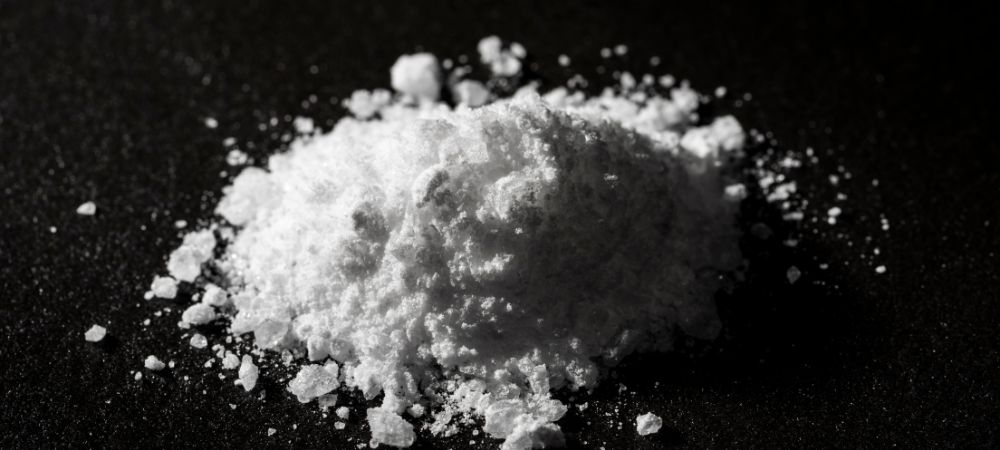
Crack has a distinct appearance compared to powder cocaine which is usually snorted, injected or smoked (freebasing). Crack usually appears as small, rock-like pieces that may be white, off-white, cream-colored, or pale yellow. 

The pieces are usually uneven in shape and will look hard, waxy, chalky, shiny, dull, or crumbly. Crack gets its name from the crackling sounds it makes when it is burned and smoked, rather than its appearance. 

Why Would Appearance Differ?

Crack can look different depending on how it was made or handled

Your eyes can only do so much. A suspicious-looking substance may raise concern, but appearance, alone, cannot confirm what it is. 

If you find a substance you think may be crack cocaine or another drug, avoid handling or tasting it. Keeping distance and asking for professional guidance is safer than trying to identify it yourself.

What Does Crack Smell Like?

Crack cocaine often produces a strong chemical smell when it is smoked. Some people describe the smell as similar to burning plastic, rubber, gas, paint, or harsh chemicals.

Smell can vary, and it is not a reliable way to identify a substance. Different materials, environments, and contaminants can change what someone smells. Other household odors, such as cleaning products, smoke, fuel, or old pipes, can also confuse a substance.

A smell may be one piece of information. Concern grows when it appears alongside behaviors of secrecy, sudden mood changes, money issues, unusual sleep patterns, or behavior that feels out of character.

Does Crack Have a Taste?

Taste is not a safe or reliable way to identify crack cocaine or any unknown substance. No one should taste something they find in order to figure out what it is.

Some people describe crack as having a bitter, chemical, or burnt taste, but that information is only useful for general awareness.

What Signs May Indicate Crack Cocaine Use?

For partners, friends, and family members, finding something unfamiliar can make the mind jump to conclusions. You may start replaying recent behavior, questioning your instincts, and wondering whether you are seeing a real warning sign or reacting from fear.

When families are worried about crack cocaine use, the physical substance is only one part of the picture.

Physical Signs

Physical signs of crack cocaine use may include:

  • Dilated pupils
  • Sudden bursts of energy
  • Restlessness or pacing
  • Decreased appetite
  • Weight loss
  • Sweating or shakiness
  • Burns on lips or fingers
  • Coughing or throat irritation
  • Sleep disruption
  • Periods of extreme fatigue after being awake or energized

These signs do not confirm crack use on their own. Stress, medical issues, medications, or other substances can also affect the body. It is the pattern and extreme changes that matter.

Behavioral and Emotional Changes

Behavioral and emotional warning signs of crack use may include:

  • Sudden secrecy around phone, room, belongings
  • Asking for money often, selling prized possessions
  • Stealing money or valuables from the home.
  • Pulling away from family or friends
  • Secrecy about new “friends”
  • Mood swings, irritability, or agitation
  • Anxiety, paranoia, or suspiciousness
  • Risky behavior that feels out of character

Families often notice the shift before they can name it. Someone may still sound like themselves in one moment and feel completely disconnected in the next.


Possible Paraphernalia or Items That May Raise Concern

Certain items may also raise concern when they appear alongside behavior changes, secrecy, or physical signs. These may include:

  • Small glass pipes or pipettes (glass tubes)
  • Pieces of copper or steel wool (especially with burnt residue)
  • Small plastic baggies with no other clear purpose
  • Lighters, torch-style lighters, or butane
  • Burn marks on furniture, bedding, clothing, or surfaces

These items do not automatically confirm crack cocaine use, but they may be a sign that further observation may help keep a loved one safe.

Why Can It Be Difficult to Identify Crack Cocaine?

Crack cocaine can be difficult to identify because street drugs are not made in controlled settings. Appearance can change based on impurities, additives, storage, and the way the substance was produced.

Street drugs may also contain substances the person did not expect. This uncertainty increases risk. A person may believe they are using one substance while being exposed to something stronger, contaminated, or mixed.

Families do not need to become experts in drug identification. Simply enough awareness to recognize when something feels unsafe is enough. There is support that can help with the next steps.

What Should You Do If You Think Someone Is Using Crack Cocaine?

If you think someone is using crack cocaine, try to pause before confronting them from fear. Panic can lead someone to demand answers right away. With this being a sensitive topic, it is better to approach the conversation from a place of calm instead of urgency.

Ways to bring up concern about substance use:

  • Choose a private moment when the person is not intoxicated, if possible.
  • Speak from what you have noticed instead of leading with accusation.
  • Keep your tone calm, clear, and caring.
  • Name the specific behavior that concerned you.
  • Let them know you are coming from care, not judgment.
  • Give them room to respond without forcing an immediate confession.
  • You might say: “I care about you, and I want to understand what is going on.”

If the person seems medically unsafe, paranoid, confused, or is at risk of harming themselves or someone else, seek emergency help.

Professional treatment for cocaine use may be recommended when crack cocaine use is ongoing, difficult to stop, or affecting physical health, mental health, relationships, work, school, parenting, finances, or daily routines.

Crack cocaine affects the brain’s reward system, sleep, mood, stress response, and decision-making. Over time, the pattern can become less about one choice and more about a cycle the person cannot change alone.

Find Treatment for Crack Cocaine Addiction at The Living Room

Concern for someone you love can feel heavy. You may feel angry and scared or protective and confused. It is natural to be unsure how much to say or when to say it.

The Living Room at Princeton supports people and families affected by crack cocaine, cocaine, and other substance use concerns. A conversation with one of our team members can help clarify what level of care may fit.

If your concern for someone you love is growing, reaching out can help you ask questions, understand treatment options, and move forward with a cohesive plan.

Sources:

  1. Cocaine – MedlinePlus
  2. Crack cocaine and cocaine hydrochloride. Are the differences myth or reality? – PubMed (NLM)
  3. Crack cocaine use: a review of prevalence and adverse effects – PubMed (NLM)
  4. Crack Cocaine – PubChem (NLM)

The Living Room at Princeton is committed to delivering reliable and up-to-date information on addiction and behavioral health. Our licensed medical reviewers, who specialize in mental health and addiction treatment, work to empower readers and potential clients with the knowledge they need to make confident treatment decisions. We ensure our content meets the highest standards of accuracy by using only reputable and credible sources.

What Does Crack Look, Taste, and Smell Like?

Crack cocaine is a solid, smokeable form of cocaine that looks like irregular whitish rocks. When smoked, it will create a sharp chemical odor that people sometimes compare to burning plastic or ammonia.

Appearance, smell, and taste can offer clues to what is occurring, but not why. Being able to recognize crack cocaine by sight or smell can help raise awareness of a drug problem earlier so someone can be moved toward substance use disorder treatment. 

What Does Crack Cocaine Look Like?

Crack has a distinct appearance compared to powder cocaine which is usually snorted, injected or smoked (freebasing). Crack usually appears as small, rock-like pieces that may be white, off-white, cream-colored, or pale yellow. 

The pieces are usually uneven in shape and will look hard, waxy, chalky, shiny, dull, or crumbly. Crack gets its name from the crackling sounds it makes when it is burned and smoked, rather than its appearance. 

Why Would Appearance Differ?

Crack can look different depending on how it was made or handled

Your eyes can only do so much. A suspicious-looking substance may raise concern, but appearance, alone, cannot confirm what it is. 

If you find a substance you think may be crack cocaine or another drug, avoid handling or tasting it. Keeping distance and asking for professional guidance is safer than trying to identify it yourself.

What Does Crack Smell Like?

Crack cocaine often produces a strong chemical smell when it is smoked. Some people describe the smell as similar to burning plastic, rubber, gas, paint, or harsh chemicals.

Smell can vary, and it is not a reliable way to identify a substance. Different materials, environments, and contaminants can change what someone smells. Other household odors, such as cleaning products, smoke, fuel, or old pipes, can also confuse a substance.

A smell may be one piece of information. Concern grows when it appears alongside behaviors of secrecy, sudden mood changes, money issues, unusual sleep patterns, or behavior that feels out of character.

Does Crack Have a Taste?

Taste is not a safe or reliable way to identify crack cocaine or any unknown substance. No one should taste something they find in order to figure out what it is.

Some people describe crack as having a bitter, chemical, or burnt taste, but that information is only useful for general awareness.

What Signs May Indicate Crack Cocaine Use?

For partners, friends, and family members, finding something unfamiliar can make the mind jump to conclusions. You may start replaying recent behavior, questioning your instincts, and wondering whether you are seeing a real warning sign or reacting from fear.

When families are worried about crack cocaine use, the physical substance is only one part of the picture.

Physical Signs

Physical signs of crack cocaine use may include:

  • Dilated pupils
  • Sudden bursts of energy
  • Restlessness or pacing
  • Decreased appetite
  • Weight loss
  • Sweating or shakiness
  • Burns on lips or fingers
  • Coughing or throat irritation
  • Sleep disruption
  • Periods of extreme fatigue after being awake or energized

These signs do not confirm crack use on their own. Stress, medical issues, medications, or other substances can also affect the body. It is the pattern and extreme changes that matter.

Behavioral and Emotional Changes

Behavioral and emotional warning signs of crack use may include:

  • Sudden secrecy around phone, room, belongings
  • Asking for money often, selling prized possessions
  • Stealing money or valuables from the home.
  • Pulling away from family or friends
  • Secrecy about new “friends”
  • Mood swings, irritability, or agitation
  • Anxiety, paranoia, or suspiciousness
  • Risky behavior that feels out of character

Families often notice the shift before they can name it. Someone may still sound like themselves in one moment and feel completely disconnected in the next.

Possible Paraphernalia or Items That May Raise Concern

Certain items may also raise concern when they appear alongside behavior changes, secrecy, or physical signs. These may include:

  • Small glass pipes or pipettes (glass tubes)
  • Pieces of copper or steel wool (especially with burnt residue)
  • Small plastic baggies with no other clear purpose
  • Lighters, torch-style lighters, or butane
  • Burn marks on furniture, bedding, clothing, or surfaces

These items do not automatically confirm crack cocaine use, but they may be a sign that further observation may help keep a loved one safe.

Why Can It Be Difficult to Identify Crack Cocaine?

Crack cocaine can be difficult to identify because street drugs are not made in controlled settings. Appearance can change based on impurities, additives, storage, and the way the substance was produced.

Street drugs may also contain substances the person did not expect. This uncertainty increases risk. A person may believe they are using one substance while being exposed to something stronger, contaminated, or mixed.

Families do not need to become experts in drug identification. Simply enough awareness to recognize when something feels unsafe is enough. There is support that can help with the next steps.

What Should You Do If You Think Someone Is Using Crack Cocaine?

If you think someone is using crack cocaine, try to pause before confronting them from fear. Panic can lead someone to demand answers right away. With this being a sensitive topic, it is better to approach the conversation from a place of calm instead of urgency.

Ways to bring up concern about substance use:

  • Choose a private moment when the person is not intoxicated, if possible.
  • Speak from what you have noticed instead of leading with accusation.
  • Keep your tone calm, clear, and caring.
  • Name the specific behavior that concerned you.
  • Let them know you are coming from care, not judgment.
  • Give them room to respond without forcing an immediate confession.
  • You might say: “I care about you, and I want to understand what is going on.”

If the person seems medically unsafe, paranoid, confused, or is at risk of harming themselves or someone else, seek emergency help.

Professional treatment for cocaine use may be recommended when crack cocaine use is ongoing, difficult to stop, or affecting physical health, mental health, relationships, work, school, parenting, finances, or daily routines.

Crack cocaine affects the brain’s reward system, sleep, mood, stress response, and decision-making. Over time, the pattern can become less about one choice and more about a cycle the person cannot change alone.

Find Treatment for Crack Cocaine Addiction at The Living Room

Concern for someone you love can feel heavy. You may feel angry and scared or protective and confused. It is natural to be unsure how much to say or when to say it.

The Living Room at Princeton supports people and families affected by crack cocaine, cocaine, and other substance use concerns. A conversation with one of our team members can help clarify what level of care may fit.

If your concern for someone you love is growing, reaching out can help you ask questions, understand treatment options, and move forward with a cohesive plan.

Sources:

  1. Cocaine – MedlinePlus
  2. Crack cocaine and cocaine hydrochloride. Are the differences myth or reality? – PubMed (NLM)
  3. Crack cocaine use: a review of prevalence and adverse effects – PubMed (NLM)
  4. Crack Cocaine – PubChem (NLM)

What Does Crack Look, Taste, and Smell Like?

Crack cocaine is a solid, smokeable form of cocaine that looks like irregular whitish rocks. When smoked, it will create a sharp chemical odor that people sometimes compare to burning plastic or ammonia.

Appearance, smell, and taste can offer clues to what is occurring, but not why. Being able to recognize crack cocaine by sight or smell can help raise awareness of a drug problem earlier so someone can be moved toward substance use disorder treatment. 

What Does Crack Cocaine Look Like?

Crack has a distinct appearance compared to powder cocaine which is usually snorted, injected or smoked (freebasing). Crack usually appears as small, rock-like pieces that may be white, off-white, cream-colored, or pale yellow. 

The pieces are usually uneven in shape and will look hard, waxy, chalky, shiny, dull, or crumbly. Crack gets its name from the crackling sounds it makes when it is burned and smoked, rather than its appearance. 

Why Would Appearance Differ?

Crack can look different depending on how it was made or handled

Your eyes can only do so much. A suspicious-looking substance may raise concern, but appearance, alone, cannot confirm what it is. 

If you find a substance you think may be crack cocaine or another drug, avoid handling or tasting it. Keeping distance and asking for professional guidance is safer than trying to identify it yourself.

What Does Crack Smell Like?

Crack cocaine often produces a strong chemical smell when it is smoked. Some people describe the smell as similar to burning plastic, rubber, gas, paint, or harsh chemicals.

Smell can vary, and it is not a reliable way to identify a substance. Different materials, environments, and contaminants can change what someone smells. Other household odors, such as cleaning products, smoke, fuel, or old pipes, can also confuse a substance.

A smell may be one piece of information. Concern grows when it appears alongside behaviors of secrecy, sudden mood changes, money issues, unusual sleep patterns, or behavior that feels out of character.

Does Crack Have a Taste?

Taste is not a safe or reliable way to identify crack cocaine or any unknown substance. No one should taste something they find in order to figure out what it is.

Some people describe crack as having a bitter, chemical, or burnt taste, but that information is only useful for general awareness.

What Signs May Indicate Crack Cocaine Use?

For partners, friends, and family members, finding something unfamiliar can make the mind jump to conclusions. You may start replaying recent behavior, questioning your instincts, and wondering whether you are seeing a real warning sign or reacting from fear.

When families are worried about crack cocaine use, the physical substance is only one part of the picture.

Physical Signs

Physical signs of crack cocaine use may include:

  • Dilated pupils
  • Sudden bursts of energy
  • Restlessness or pacing
  • Decreased appetite
  • Weight loss
  • Sweating or shakiness
  • Burns on lips or fingers
  • Coughing or throat irritation
  • Sleep disruption
  • Periods of extreme fatigue after being awake or energized

These signs do not confirm crack use on their own. Stress, medical issues, medications, or other substances can also affect the body. It is the pattern and extreme changes that matter.

Behavioral and Emotional Changes

Behavioral and emotional warning signs of crack use may include:

  • Sudden secrecy around phone, room, belongings
  • Asking for money often, selling prized possessions
  • Stealing money or valuables from the home.
  • Pulling away from family or friends
  • Secrecy about new “friends”
  • Mood swings, irritability, or agitation
  • Anxiety, paranoia, or suspiciousness
  • Risky behavior that feels out of character

Families often notice the shift before they can name it. Someone may still sound like themselves in one moment and feel completely disconnected in the next.

Possible Paraphernalia or Items That May Raise Concern

Certain items may also raise concern when they appear alongside behavior changes, secrecy, or physical signs. These may include:

  • Small glass pipes or pipettes (glass tubes)
  • Pieces of copper or steel wool (especially with burnt residue)
  • Small plastic baggies with no other clear purpose
  • Lighters, torch-style lighters, or butane
  • Burn marks on furniture, bedding, clothing, or surfaces

These items do not automatically confirm crack cocaine use, but they may be a sign that further observation may help keep a loved one safe.

Why Can It Be Difficult to Identify Crack Cocaine?

Crack cocaine can be difficult to identify because street drugs are not made in controlled settings. Appearance can change based on impurities, additives, storage, and the way the substance was produced.

Street drugs may also contain substances the person did not expect. This uncertainty increases risk. A person may believe they are using one substance while being exposed to something stronger, contaminated, or mixed.

Families do not need to become experts in drug identification. Simply enough awareness to recognize when something feels unsafe is enough. There is support that can help with the next steps.

What Should You Do If You Think Someone Is Using Crack Cocaine?

If you think someone is using crack cocaine, try to pause before confronting them from fear. Panic can lead someone to demand answers right away. With this being a sensitive topic, it is better to approach the conversation from a place of calm instead of urgency.

Ways to bring up concern about substance use:

  • Choose a private moment when the person is not intoxicated, if possible.
  • Speak from what you have noticed instead of leading with accusation.
  • Keep your tone calm, clear, and caring.
  • Name the specific behavior that concerned you.
  • Let them know you are coming from care, not judgment.
  • Give them room to respond without forcing an immediate confession.
  • You might say: “I care about you, and I want to understand what is going on.”

If the person seems medically unsafe, paranoid, confused, or is at risk of harming themselves or someone else, seek emergency help.

Professional treatment for cocaine use may be recommended when crack cocaine use is ongoing, difficult to stop, or affecting physical health, mental health, relationships, work, school, parenting, finances, or daily routines.

Crack cocaine affects the brain’s reward system, sleep, mood, stress response, and decision-making. Over time, the pattern can become less about one choice and more about a cycle the person cannot change alone.

Find Treatment for Crack Cocaine Addiction at The Living Room

Concern for someone you love can feel heavy. You may feel angry and scared or protective and confused. It is natural to be unsure how much to say or when to say it.

The Living Room at Princeton supports people and families affected by crack cocaine, cocaine, and other substance use concerns. A conversation with one of our team members can help clarify what level of care may fit.

If your concern for someone you love is growing, reaching out can help you ask questions, understand treatment options, and move forward with a cohesive plan.

Sources:

  1. Cocaine – MedlinePlus
  2. Crack cocaine and cocaine hydrochloride. Are the differences myth or reality? – PubMed (NLM)
  3. Crack cocaine use: a review of prevalence and adverse effects – PubMed (NLM)
  4. Crack Cocaine – PubChem (NLM)

What Does Crack Look, Taste, and Smell Like?

Crack cocaine is a solid, smokeable form of cocaine that looks like irregular whitish rocks. When smoked, it will create a sharp chemical odor that people sometimes compare to burning plastic or ammonia.

Appearance, smell, and taste can offer clues to what is occurring, but not why. Being able to recognize crack cocaine by sight or smell can help raise awareness of a drug problem earlier so someone can be moved toward substance use disorder treatment. 

What Does Crack Cocaine Look Like?

Crack has a distinct appearance compared to powder cocaine which is usually snorted, injected or smoked (freebasing). Crack usually appears as small, rock-like pieces that may be white, off-white, cream-colored, or pale yellow. 

The pieces are usually uneven in shape and will look hard, waxy, chalky, shiny, dull, or crumbly. Crack gets its name from the crackling sounds it makes when it is burned and smoked, rather than its appearance. 

Why Would Appearance Differ?

Crack can look different depending on how it was made or handled

Your eyes can only do so much. A suspicious-looking substance may raise concern, but appearance, alone, cannot confirm what it is. 

If you find a substance you think may be crack cocaine or another drug, avoid handling or tasting it. Keeping distance and asking for professional guidance is safer than trying to identify it yourself.

What Does Crack Smell Like?

Crack cocaine often produces a strong chemical smell when it is smoked. Some people describe the smell as similar to burning plastic, rubber, gas, paint, or harsh chemicals.

Smell can vary, and it is not a reliable way to identify a substance. Different materials, environments, and contaminants can change what someone smells. Other household odors, such as cleaning products, smoke, fuel, or old pipes, can also confuse a substance.

A smell may be one piece of information. Concern grows when it appears alongside behaviors of secrecy, sudden mood changes, money issues, unusual sleep patterns, or behavior that feels out of character.

Does Crack Have a Taste?

Taste is not a safe or reliable way to identify crack cocaine or any unknown substance. No one should taste something they find in order to figure out what it is.

Some people describe crack as having a bitter, chemical, or burnt taste, but that information is only useful for general awareness.

What Signs May Indicate Crack Cocaine Use?

For partners, friends, and family members, finding something unfamiliar can make the mind jump to conclusions. You may start replaying recent behavior, questioning your instincts, and wondering whether you are seeing a real warning sign or reacting from fear.

When families are worried about crack cocaine use, the physical substance is only one part of the picture.

Physical Signs

Physical signs of crack cocaine use may include:

  • Dilated pupils
  • Sudden bursts of energy
  • Restlessness or pacing
  • Decreased appetite
  • Weight loss
  • Sweating or shakiness
  • Burns on lips or fingers
  • Coughing or throat irritation
  • Sleep disruption
  • Periods of extreme fatigue after being awake or energized

These signs do not confirm crack use on their own. Stress, medical issues, medications, or other substances can also affect the body. It is the pattern and extreme changes that matter.

Behavioral and Emotional Changes

Behavioral and emotional warning signs of crack use may include:

  • Sudden secrecy around phone, room, belongings
  • Asking for money often, selling prized possessions
  • Stealing money or valuables from the home.
  • Pulling away from family or friends
  • Secrecy about new “friends”
  • Mood swings, irritability, or agitation
  • Anxiety, paranoia, or suspiciousness
  • Risky behavior that feels out of character

Families often notice the shift before they can name it. Someone may still sound like themselves in one moment and feel completely disconnected in the next.

Possible Paraphernalia or Items That May Raise Concern

Certain items may also raise concern when they appear alongside behavior changes, secrecy, or physical signs. These may include:

  • Small glass pipes or pipettes (glass tubes)
  • Pieces of copper or steel wool (especially with burnt residue)
  • Small plastic baggies with no other clear purpose
  • Lighters, torch-style lighters, or butane
  • Burn marks on furniture, bedding, clothing, or surfaces

These items do not automatically confirm crack cocaine use, but they may be a sign that further observation may help keep a loved one safe.

Why Can It Be Difficult to Identify Crack Cocaine?

Crack cocaine can be difficult to identify because street drugs are not made in controlled settings. Appearance can change based on impurities, additives, storage, and the way the substance was produced.

Street drugs may also contain substances the person did not expect. This uncertainty increases risk. A person may believe they are using one substance while being exposed to something stronger, contaminated, or mixed.

Families do not need to become experts in drug identification. Simply enough awareness to recognize when something feels unsafe is enough. There is support that can help with the next steps.

What Should You Do If You Think Someone Is Using Crack Cocaine?

If you think someone is using crack cocaine, try to pause before confronting them from fear. Panic can lead someone to demand answers right away. With this being a sensitive topic, it is better to approach the conversation from a place of calm instead of urgency.

Ways to bring up concern about substance use:

  • Choose a private moment when the person is not intoxicated, if possible.
  • Speak from what you have noticed instead of leading with accusation.
  • Keep your tone calm, clear, and caring.
  • Name the specific behavior that concerned you.
  • Let them know you are coming from care, not judgment.
  • Give them room to respond without forcing an immediate confession.
  • You might say: “I care about you, and I want to understand what is going on.”

If the person seems medically unsafe, paranoid, confused, or is at risk of harming themselves or someone else, seek emergency help.

Professional treatment for cocaine use may be recommended when crack cocaine use is ongoing, difficult to stop, or affecting physical health, mental health, relationships, work, school, parenting, finances, or daily routines.

Crack cocaine affects the brain’s reward system, sleep, mood, stress response, and decision-making. Over time, the pattern can become less about one choice and more about a cycle the person cannot change alone.

Find Treatment for Crack Cocaine Addiction at The Living Room

Concern for someone you love can feel heavy. You may feel angry and scared or protective and confused. It is natural to be unsure how much to say or when to say it.

The Living Room at Princeton supports people and families affected by crack cocaine, cocaine, and other substance use concerns. A conversation with one of our team members can help clarify what level of care may fit.

If your concern for someone you love is growing, reaching out can help you ask questions, understand treatment options, and move forward with a cohesive plan.

Sources:

  1. Cocaine – MedlinePlus
  2. Crack cocaine and cocaine hydrochloride. Are the differences myth or reality? – PubMed (NLM)
  3. Crack cocaine use: a review of prevalence and adverse effects – PubMed (NLM)
  4. Crack Cocaine – PubChem (NLM)